
 Delivery & installation included
 10-year guarantee for peace of mind
 Over 50 years' experience
 Handmade to order in Norfolk
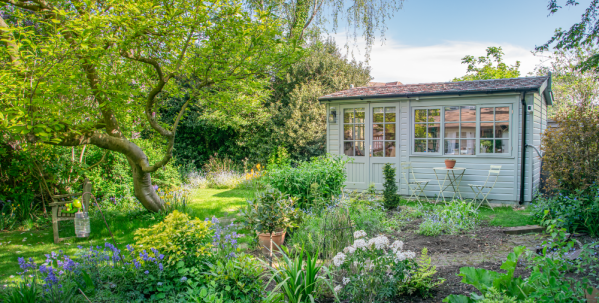
Creating a sustainable garden doesn't have to mean transforming your entire outdoor space overnight. In fact, some of the most effective changes are also the simplest.
At the heart of sustainable gardening are the principles of permaculture – designing gardens that work with nature rather than against it. That means reducing waste, improving soil, supporting wildlife and making the most of the resources around us.
It's also about thinking beyond your own garden boundary. Every garden, no matter its size, forms part of a much bigger network of green spaces. Together, they provide habitats for wildlife, support pollinators and help create healthier, more resilient environments.
It's a philosophy perfectly captured by The Gathering, Spacecraft's show garden at the RHS Sandringham Flower Show. Created in partnership with Mindful Chef, and featuring Crane's National Trust Ickworth Summerhouse alongside it, the garden celebrates growing food, restoring nature and bringing people together, showing how even modest gardens can play an important role in supporting biodiversity.
Make the Most of the Space You Have
You don't need a large garden to make a positive impact. Whether you have a small lawn, courtyard or patio, there are plenty of ways to garden more sustainably.
Reduce hard paving where possible and replace it with planting or permeable paving that allows rainwater to soak naturally into the ground. Raised beds are another easy way to create growing space, while fences can support climbing fruit such as blackberries to make use of vertical space.
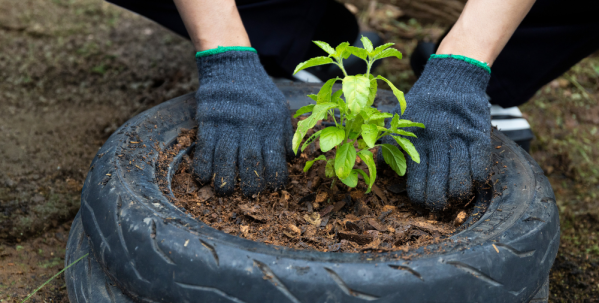
Don't be afraid to get creative, either. Old buckets, tubs and plastic bottles can all be repurposed into planters or protective covers for young plants. Sustainable gardening is often about making better use of what you already have.
Healthy Soil, Healthy Garden
Good soil is the foundation of every thriving garden. Feeding it with organic matter, such as homemade compost, improves plant health and helps the soil retain moisture.
Simple techniques like sheet mulching—covering weeds with cardboard before adding compost—can suppress weeds naturally while enriching the soil as the cardboard breaks down.
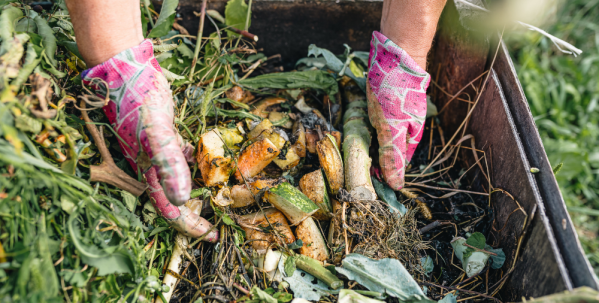
Installing a compost bin is another easy win, turning garden clippings and kitchen waste into nutrient-rich compost. Pair this with a water butt to collect rainwater, and you'll reduce waste while creating a garden that's better prepared for dry weather.
Grow Your Own Food
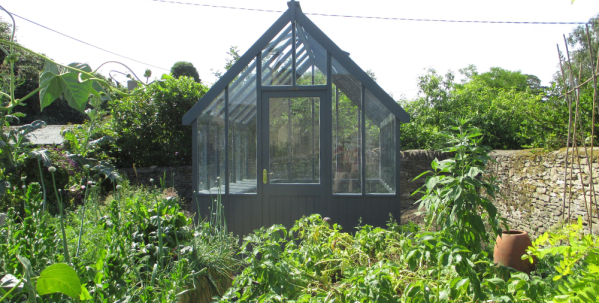
Growing your own fruit and vegetables is one of the most rewarding ways to garden sustainably. A greenhouse extends the growing season and gives young plants a better chance to establish before pests become a problem. Even without one, simple techniques like growing potatoes under straw can make harvesting easier and reduce digging.
Fruit trees are another great investment. They absorb carbon dioxide, provide food for wildlife and reward you with homegrown fruit for years to come. If space is limited, compact fruit trees or shrubs can thrive in pots on a patio or balcony.
Welcome Wildlife
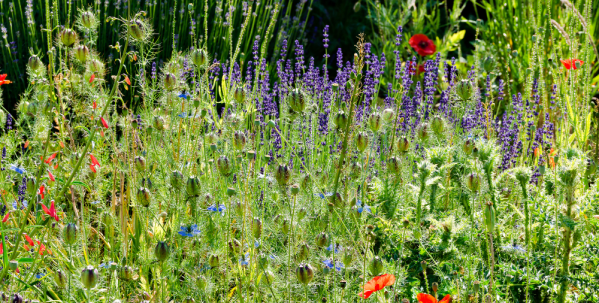
A healthy garden is one that's buzzing with life. Planting nectar-rich flowers such as lavender, foxgloves, salvia and wildflowers provides valuable food for bees, butterflies and other pollinators throughout the year. Choosing plants that flower across different seasons helps support wildlife for longer.
It's also worth accepting a little pest damage. Ladybirds naturally control aphids, while frogs and newts help keep slugs in check. Bug hotels, log piles and small ponds all create valuable habitats that encourage nature to do the hard work for you.
Think Long Term
A sustainable garden is one that changes with the seasons. By planting a mix of early, mid and late-season flowers, fruit and vegetables, you can enjoy colour, harvests and wildlife interest for much more of the year.
Keeping a simple garden journal can also help. Recording what you planted, when it flowered or what produced the best harvest makes it easier to learn from each season and improve year after year.
Creating a sustainable garden isn't about perfection. It's about making thoughtful choices that benefit both your own outdoor space and the wider environment.
As The Gathering at RHS Sandringham demonstrates, every garden is part of something bigger. Together, our gardens form a connected landscape that supports wildlife, encourages biodiversity and helps create a healthier future, one small change at a time.


